
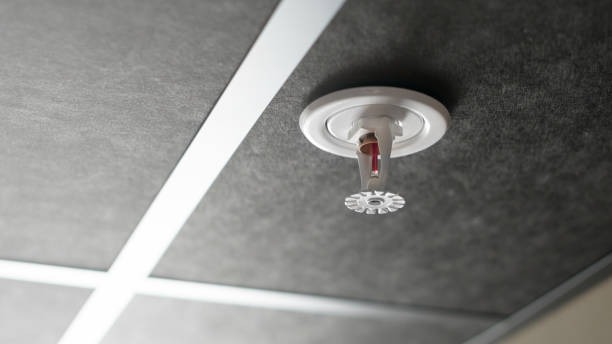
A water sprinkler system is a critical component in modern fire safety strategies, designed to detect and suppress fires automatically. These systems are widely used in residential buildings, offices, factories and public facilities because they help contain and control fires in their early stages, reducing property damage and protecting lives. Understanding how such a system functions and what benefits it offers can help property owners choose the right fire protection setup for their environment.
Many people start by exploring comprehensive resources like water sprinkler system to understand different types of sprinkler fittings, design considerations and code requirements that apply to effective fire suppression solutions.
How a Water Sprinkler System Works
A water sprinkler system consists of a network of pipes connected to a dedicated water supply and multiple sprinkler heads strategically positioned throughout a building. Each sprinkler head contains a heat-sensitive element that activates when temperatures exceed a specific threshold, usually caused by the presence of fire.
When this threshold is reached, the sprinkler head opens and releases water directly onto the area affected by heat. Importantly, only the sprinkler closest to the fire activates, ensuring that water is used efficiently and unnecessary water damage is minimised. This targeted approach allows the system to suppress or slow the spread of flames until firefighters arrive.
Key Benefits of Sprinkler Protection
A well-designed water sprinkler system offers several practical advantages for fire safety:
- Early fire suppression: Automatic activation helps control fires before they grow.
- Reduced property damage: Targeted water discharge helps contain flames and prevent escalation.
- Life safety: Quick response lowers the risk of injury to occupants and responders.
Together, these benefits make sprinkler systems a foundational element of fire-resistant building design, particularly in commercial and high-occupancy structures.
Applications in Different Environments
The versatility of a water sprinkler system allows it to be used in a wide range of settings. In residential buildings, systems help protect occupants during sleep hours or when residents are away. Many building codes and insurance providers recommend or require sprinkler installations in homes, especially multi-unit complexes and high rises.
In commercial spaces such as warehouses, shops and offices, sprinkler systems are essential for safeguarding inventory, equipment and employees. Industrial facilities often incorporate specialised sprinkler designs that address unique risks, such as areas with hazardous materials or high heat loads.
Design Considerations and Compliance
Installing a water sprinkler system requires careful planning and adherence to relevant fire safety standards. Professional designers take into account factors such as building size, occupancy type, ceiling height and water supply capacity to determine the appropriate system layout and sprinkler head placement.
Compliance with local codes and national standards ensures that the system will function as intended during an emergency. Regular inspections and maintenance are also critical to maintaining system reliability. This includes checking piping integrity, water pressure, and sprinkler head condition.
Conclusion
In summary, a water sprinkler system is an effective and essential solution for early fire detection and suppression in both residential and commercial environments. Its automatic activation, efficient water usage and targeted flame control help reduce the severity of fire incidents while enhancing occupant safety. By understanding system design principles and choosing quality components, property owners can create a dependable fire protection strategy that meets regulatory requirements and delivers peace of mind.