
24-Hour Alarm Monitoring Service for Jewellery Store Security
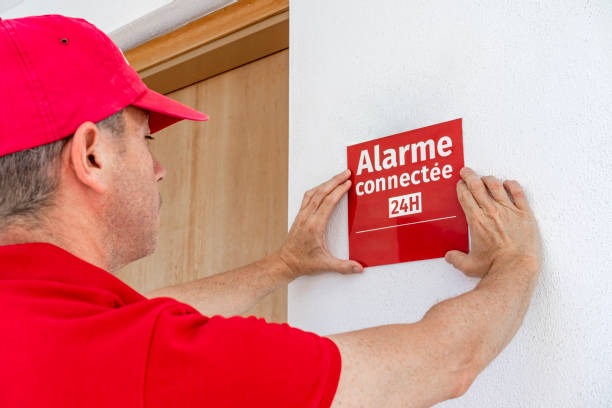
Jewellery stores, gold retailers and other businesses handling high-value merchandise face security risks both during and outside normal operating hours. A 24-hour alarm monitoring service provides continuous monitoring of connected alarm systems so that security signals can be identified and handled according to established response procedures.
Unlike an alarm that only produces a sound at the premises, professional monitoring connects security equipment with a monitoring operation. This can form part of a broader security strategy involving surveillance cameras, intrusion detection, access controls and clear procedures for employees.
How Continuous Alarm Monitoring Works
A monitored security system can transmit signals when connected sensors or alarm devices are activated. Depending on the system configuration and service arrangement, monitoring personnel can assess the alert and follow predetermined procedures.
Businesses considering a 24-hour alarm monitoring service should understand what types of signals are monitored and what happens after an alert is received. Response procedures may vary according to the provider, system and nature of the incident.
Businesses should therefore clarify escalation contacts and notification procedures before implementing the service.
Why Jewellery Businesses May Need Continuous Monitoring
Jewellery stores can contain compact, high-value inventory that requires careful security management. Risks do not disappear when employees leave the premises at the end of the business day.
A monitored system provides continuous oversight of connected alarm equipment, including overnight, during weekends and on public holidays. This can complement physical measures such as secure doors, safes, display protection and controlled access.
Integrating Alarms with Other Security Systems
A 24-hour alarm monitoring service can be considered alongside other security technologies rather than as a standalone solution. Intrusion sensors, panic buttons, CCTV cameras and access-control equipment may each serve different purposes within a layered security arrangement.
The appropriate combination depends on store layout, operating hours, inventory value and identified risks. A professional site assessment can help determine where sensors and other devices should be positioned.
Establish Clear Response Procedures
Monitoring is most useful when alerts are supported by defined procedures. Businesses should establish who should be contacted, how incidents are escalated and what employees should do if they receive a security notification.
Emergency contact information should also be kept current. If responsible personnel change roles or telephone numbers, monitoring records may need to be updated promptly.
Reduce Unnecessary Alarm Activations
False or accidental alarms can create unnecessary disruption. Employees should understand how to arm and disarm the security system correctly and what procedures to follow when entering or leaving protected areas.
Regular equipment checks can also identify malfunctioning sensors, communication problems or other issues that may affect system reliability.
Consider Communication and Backup Arrangements
A monitoring system depends on communication between the protected premises and the monitoring operation. Businesses should ask how alarm signals are transmitted and whether appropriate backup arrangements are available if a primary communication method becomes unavailable.
Power continuity for relevant security equipment should also form part of the overall planning process.
Maintain and Test the System
Security requirements can change when a store is renovated, inventory areas move or new entrances are introduced. Periodic reviews help ensure that the alarm configuration continues to reflect the premises.
Testing and maintenance should follow the equipment manufacturer’s and service provider’s recommendations.
Conclusion
A 24-hour alarm monitoring service can strengthen a jewellery business’s security framework by providing continuous oversight of connected alarm systems and structured handling of security alerts. Its effectiveness depends on appropriate equipment, reliable communications, clear escalation procedures and regular maintenance. Combining monitoring with CCTV, physical security and employee procedures can support a more comprehensive approach to protecting valuable premises and inventory.