
Tyre Code: Understanding Tyre Markings and What They Mean
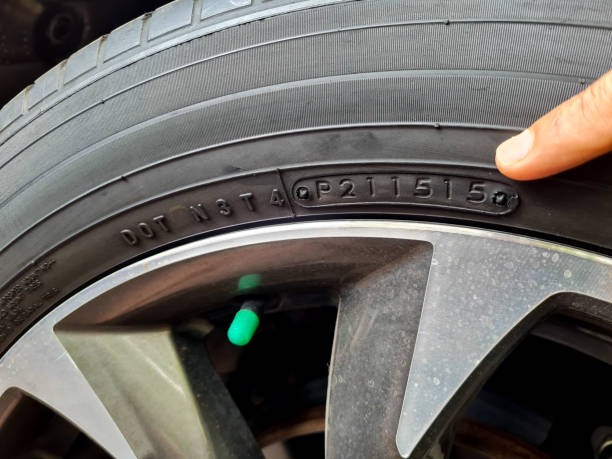
Every tyre contains a series of numbers and letters that provide important information about its size, construction, load capacity, speed rating, and manufacturing details. Understanding a tyre code helps vehicle owners choose suitable replacement tyres, maintain proper vehicle performance, and follow manufacturer recommendations. While the markings may appear complex at first, each section of the code serves a specific purpose and provides valuable information for safe driving.
Learning how to interpret tyre markings enables drivers to make informed decisions when purchasing new tyres or checking the condition of their existing ones.
What Is a Tyre Code?
A tyre code is a standardized sequence of letters and numbers printed on the sidewall of every tyre. It communicates essential specifications such as tyre width, aspect ratio, construction type, wheel diameter, load index, and speed rating.
Drivers looking to better understand tyre code information can refer to manufacturer guidance that explains each marking in detail. Understanding these specifications helps ensure replacement tyres are compatible with the vehicle and meet the manufacturer’s recommendations.
Reading the correct tyre markings also supports safer vehicle operation and optimal handling.
Understanding Common Tyre Markings
A typical tyre marking contains several sections, each representing a specific specification. For example, the tyre width indicates the width of the tyre in millimetres, while the aspect ratio shows the relationship between the tyre’s height and width.
Other important markings include the construction type, which is commonly identified as radial construction, the wheel diameter measured in inches, the load index that specifies the maximum weight the tyre can support, and the speed rating that indicates the maximum speed for which the tyre is designed under specified conditions.
These markings work together to identify the tyre’s intended performance characteristics.
Why Tyre Codes Matter
Understanding a tyre code helps drivers select tyres that are appropriate for their vehicle’s design and intended use. Choosing tyres with the correct specifications contributes to vehicle handling, braking performance, ride comfort, and fuel efficiency.
Tyre markings also assist technicians during tyre replacement and routine maintenance, helping ensure compatibility with manufacturer recommendations. Using tyres that match the recommended specifications supports safe vehicle operation and overall driving performance.
Regular tyre inspections can also help identify wear patterns or damage that may require attention.
Tips for Vehicle Owners
Vehicle owners should periodically inspect their tyres for visible damage, uneven wear, and adequate tread depth. Maintaining the recommended tyre pressure and rotating tyres according to the vehicle manufacturer’s maintenance schedule can help extend tyre life.
When replacing tyres, it is advisable to consult the vehicle owner’s manual or seek advice from qualified tyre professionals to ensure the selected tyres meet the required specifications. Proper maintenance supports safety, comfort, and long-term tyre performance.
Conclusion
Understanding a tyre code allows drivers to interpret the important information printed on every tyre and make informed decisions about tyre selection and maintenance. By learning the meaning of tyre markings, following manufacturer recommendations, and performing regular inspections, vehicle owners can help support vehicle safety, handling, and overall driving performance throughout the life of their tyres.